
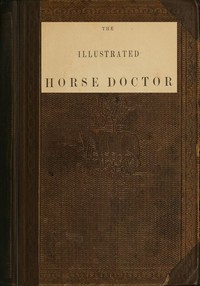
The Illustrated Horse Doctor by Edward Mayhew
Forget dusty old textbooks. 'The Illustrated Horse Doctor' is a time capsule with a pulse. Published in the mid-1800s by veterinary surgeon Edward Mayhew, this book was a direct response to a crisis. Horses were everywhere—pulling carriages, hauling goods, powering the economy—and they were often treated terribly. Their care was left to stable hands armed with folklore, dangerous 'patent' medicines, and brutal practices.
The Story
There isn't a traditional plot with characters, but there is a clear mission: to educate. Mayhew structures the book as a series of clear, illustrated lessons. He tackles everything from lameness and colic to skin diseases and injuries. Each section starts with a problem (often shown in a stark woodcut illustration), debunks the common—and usually harmful—treatments of the day, and then lays out a sensible, anatomical explanation and a proper course of care. The 'story' is his relentless campaign against ignorance. You follow his logic, see his frustration with the old ways, and feel his determination to give these vital animals a fighting chance.
Why You Should Read It
This book is fascinating for so many reasons. First, it's a stunning piece of social history. You see the Victorian world from the ground up—through the eyes (and hooves) of its most important animal. Second, Mayhew's voice is incredible. He's witty, sarcastic about quacks, and deeply compassionate. You can feel his passion on every page. He wasn't just writing for other vets; he wanted coachmen, farmers, and owners to understand. The illustrations, while graphic, are purposeful. They force the reader to look closely at suffering and understand its cause, which was revolutionary for the time. It’s a powerful reminder that advocacy and clear science can be a profound act of kindness.
Final Verdict
This isn't a casual beach read, but it's utterly absorbing. It's perfect for history buffs who want an unusual angle on the Victorian era, for animal lovers interested in the long road to humane treatment, and for anyone who appreciates a story about a person using their knowledge to make the world a little better. Think of it as a primary source document that's also a compelling argument. You'll come away with a new respect for the horses that built our cities and the man who tried to be their doctor.
This text is dedicated to the public domain. It is available for public use and education.
Ethan Rodriguez
1 month agoI started reading out of curiosity and the storytelling feels authentic and emotionally grounded. This story will stay with me.
Deborah Davis
9 months agoAs someone who reads a lot, the author's voice is distinct and makes complex topics easy to digest. I learned so much from this.
Emma Wright
11 months agoSimply put, the author's voice is distinct and makes complex topics easy to digest. Highly recommended.
Donald Martinez
1 year agoHonestly, it challenges the reader's perspective in an intellectual way. Thanks for sharing this review.




Mary Walker
1 year agoSolid story.